Visualizzazione post con etichetta governi. Mostra tutti i post
Visualizzazione post con etichetta governi. Mostra tutti i post
venerdì 7 giugno 2019


lunedì 30 aprile 2018
Ecco cosa scriveva Craxi sull’Italia caotica e ingovernabile
Di sicuro a molti di noi, e sopratutto a chi ha una certa età, Bettino Craxi non piaceva e non piacerà: ma siccome siamo, credo, persone dotate di cervello e giudizio, ecco che giudichiamo, in questo preciso post che poi riporterò, il contenuto e non l'uomo che fa determinate affermazioni e considerazioni. Distinguiamo l'uomo dalle parole e vediamo se queste ci aggradano e forniscono lumi per il presente. Oppure no. Ecco il post:
Gennaio 1996. Lamberto Dini conferma le sue dimissioni e il Capo dello stato firma il decreto di scioglimento delle Camere, in attesa delle elezioni che si terranno il 21 aprile successivo (nelle quali trionferà la coalizione di centro-sinistra guidata da Romano Prodi). La confusione, proprio come nei mesi che stiamo vivendo, regna in Italia. Da Hammamet, Bettino Craxi sottolinea l’importanza della stabilità politica e rilancia la necessità di mettere mano a una revisione dell’architettura istituzionale attraverso l’elezione diretta di un’assemblea costituente. Parole tristemente attuali.
«La crisi italiana è di natura tale che rischia ormai di trascinarsi per lungo tempo. È di certo un gran male ma tempo che purtroppo sarà così. I rimedi di cui si parla in questo momento sono così generici da non apparire rimedi, I rinvii che si facciano non sono un sollievo ma un disastro.
In meno di quattro anni l’Italia si avvia ad avere il suo quinto governo. Non c’è Paese nel mondo in cui sia successo qualche cosa di simile. Non un Paese industrializzato, e neppure un Paese del Terzo Mondo in via di sviluppo, e nemmeno uno sottosviluppato. Facciamo parte del gruppo dei «7», ma siamo il solo Paese in preda a questa sorta di attacco epilettico.
Il nostro prestigio internazionale, come si è già potuto ben vedere in più di una occasione significativa, è ormai meno che zero. In generale anche gli amici che ci sono rimasti scuotono la testa e ci considerano come un Paese da ricovero. Ma anche questa soluzione è tutt’altro che semplice. I grandi paesi industriali, anche quando appaiono premuti dai loro problemi, dalle loro crisi, dalle loro contraddizioni, si muovono entro un grado di stabilità politica, che, già di per sè, rappresenta un argine al degenerare delle situazioni.
Cinque governi in quattro anni. Nove governi in nove anni, dopo l’infausta era di stabilità, di progresso e di affermazione internazionale del cosiddetto craxismo, il quale poi era tutt’altro che tale, rappresentano il massimo della decadenza, della inefficienza, della assurda sopravvivenza di un sistema politico prima che logoro e poi disfatto e niente affatto rinnovato, checché ne dicano i suoi presunti e ardimentosi rinnovatori.
Il rinnovamento promesso, fondato, almeno in gran parte, sulla menzogna organizzata nell’informazione, sulla violenza discriminatoria del potere giudiziario, sulla demagogia, opportunistica che ha trovato spazio tanto a sinistra, che a destra, che al centro, si avvia ormai a toccare il tasto incontrovertibile della verità fatta certamente di buone intenzioni, ma anche di tanti clamorosi per non dire degli intollerabili eccessi.
Le invocate elezioni, allo stato delle cose, probabilmente servirebbero a ben poco; difficilmente risulterebbero risolutive. La cosa più ragionevole sarebbe invece un compromesso parlamentare e governativo per tentare di determinare quel grado di relativa stabilità di cui ormai il Paese ha bisogno come il pane, e contemporaneamente, o almeno in tempi brevi, la elezione diretta, con voto proporzionale, di una Assemblea Costituente dalla quale far nascere una nuova Costituzione e quindi anche la Seconda Repubblica, che rimanendo invece le cose come stanno, è solo, nel migliore dei casi, un sospiro, nel peggiore, un colossale imbroglio propinato agli italiani con una disinvoltura degna di miglior causa.
La Seconda Repubblica, non c’è dubbio, è ormai una necessità. Sarebbe assai meglio che nascesse legittimamente da un voto popolare e non dai maneggi di una commissione parlamentare. Se non si farà niente di tutto questo, come temo sia assai probabile, anzi certo, andrebbero tentate almeno poche riforme semplici ed essenziali: la elezione diretta del Capo dello Stato o del primo ministro. Una legge elettorale che, visto il clamoroso fallimento del sistema maggioritario, reintroduca il principio proporzionale corretto. L’introduzione dell’istituto della «sfiducia costruttiva». Un chiarimento tra regionalismo, federalismo e unità nazionale senza pregiudizi, demagogie e minacce secessionistiche che lasciano il tempo che trovano. Il superamento del bicameralismo perfetto.
Un diverso sistema di elezione che trasformi il Consiglio Superiore della magistratura da organo di natura corporativa, in organo costituzionale di controllo. Ma non si farà niente di tutto questo. E allora non resterà che attendere il peggio che arriverà, prima o poi, inesorabilmente. Speriamo di no, ma è solo una speranza poco fondata. un anno fa mi scappò dalla bocca la definizione di «Italietta caotica».
(da Io parlo, e continuerò a parlare. Note e appunti sull’Italia vista da Hammamet. Bettino Craxi. Mondadori)
fonte http://www.oltrelalinea.news/2018/04/29/ecco-cosa-scriveva-craxi-sullitalia-caotica-e-ingovernabile/
lunedì 19 marzo 2018
International Criminal Court e Filippine.
Giuseppe Sandro Mela.
2018-03-19.
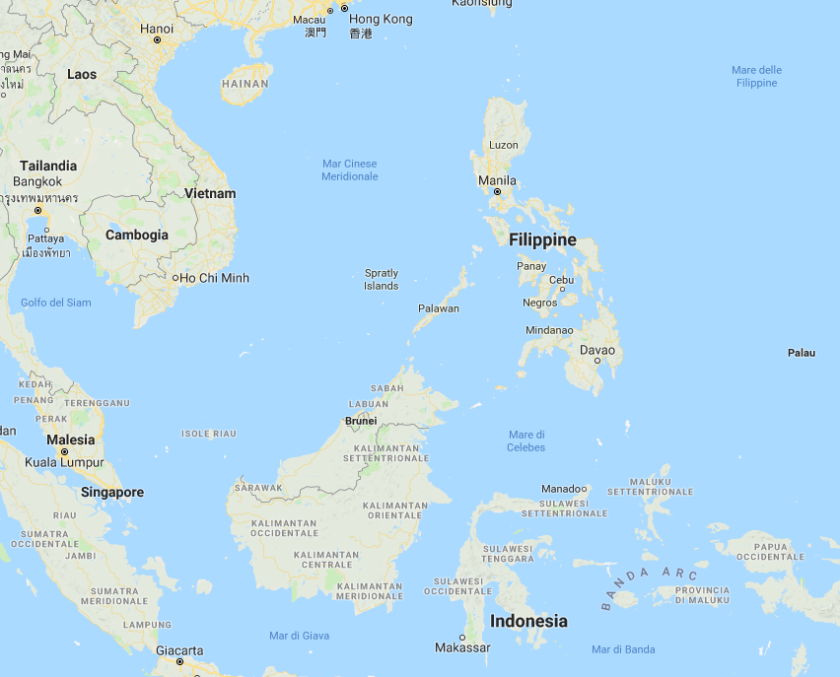
Philippines gives official notice of International Criminal Court withdrawal [Deutsche Welle, 2018-03-17]
«The Philippines has officially notified the UN secretary-general that it is quitting the ICC. The move comes after it was announced that the court was investigating killings connected with Manila’s war on drugs.»
Come spesso succede, anche attorno a cosa sia, cosa rappresenti e cosa faccia la International Criminal Court sembrerebbe esserci ben poca chiarezza. Cercheremo di esporre una breve sintesi.
«The International Criminal Court (ICC or ICCt) is an intergovernmental organization and international tribunal that sits in The Hague in the Netherlands. The ICC has the jurisdiction to prosecute individuals for the international crimes of genocide, crimes against humanity, and war crimes. The ICC is intended to complement existing national judicial systems and it may therefore only exercise its jurisdiction when certain conditions are met, such as when national courts are unwilling or unable to prosecute criminals or when the United Nations Security Council or individual states refer situations to the Court. ….
Currently, there are 123 states which are party to the Rome Statute and therefore members of the ICC. » [Fonte]
Si noti però che:
«Rome Statute adopted by 120 States … Rome Statute ratified by 60 States …. Rome Statute took effect upon ratification by 60 States, officially establishing the ICC. Since it has no retroactive jurisdiction, the ICC deals with crimes committed on or after this date.» [International Criminal Court]
Quindi, la Corte potrebbe agire solo ed esclusivamente nei 60 paesi che hanno ratificato il trattato.
*
La International Criminal Court è riconosciuta a livello mondiale da 123 stati: formalmente dovrebbe poter operare solo in essi.
Ciascuno di questi 123 stati ha un suo proprio codice penale e, almeno al momento, non esiste un corpo giuridico inequivocabilmente definito ed accettato a livello mondiale in materia.
Questa situazione si riverbera immediatamente in due importanti settori.
– Le definizioni di cosa debba intendersi per “genocide“, “crimes against humanity“, oppure ancora “war crimes” sono parziali e carenti: molto spesso sono definite caso per caso, sulla scorta dei dati accertati. Ma la imputabilità penale dovrebbe sussistere solo per violazioni di un qualche codice in essere, essendo per definizione reato ciò che esplicitamente sia contemplato nel codice.
– I verdetti della Corte hanno valore solo se applicabili. Ma ciò è ben difficile bei confronti di stati retti da governi solidi e ben armati. Tanto meno nei confronti degli stati che non riconoscono la Iccc.
*
La International Criminal Court non è stata certo esente da critiche, anche molto severe.
«The ICC has been accused of bias and as being a tool of Western imperialism, only punishing leaders from small, weak states while ignoring crimes committed by richer and more powerful states. This sentiment has been expressed particularly by African leaders due to an alleged disproportionate focus of the Court on Africa, while it claims to have a global mandate; until January 2016, all nine situations which the ICC had been investigating were in African countries.
The prosecution of Kenyan Deputy President William Ruto and President Uhuru Kenyatta (both charged before coming into office) led to the Kenyan parliament passing a motion calling for Kenya’s withdrawal from the ICC, and the country called on the other 33 African states party to the ICC to withdraw their support, an issue which was discussed at a special African Union (AU) summit in October 2013.» [Fonte]
*
China, Iraq, Israel, Libya, Qatar, the United States, e Yemen non riconoscono la International Criminal Court.
«Four signatory states—Israel, Sudan, the United States and Russia—have informed the UN Secretary General that they no longer intend to become states parties and, as such, have no legal obligations arising from their signature of the Statute»
Stati Uniti, Cina e Russia non sono paesi di poco conto internazionale.
* * * * * * *
Come si constata, l’autorità della International Criminal Court non accoglie un’audience generale.
La critica più pesante è quella di essere uno strumento politico in mano al “Western imperialism”, anche se sarebbe meglio dire alla componente liberal del mondo occidentale.
*
Ciò premesso, il problema delle Filippine dovrebbe essere chiaro.
Filippine. La situazione analizzata dal punto di vista cinese. Xinhua.
Kontrordine Kompagni. Per la EU adesso Mr Duterte è un fior di galantuomo.
Philippines’ Rodrigo Duterte rejects crimes against humanity probe into ‘drug war’
In sintesi. Afflitta dal dilagare della droga, con tutte le sue conseguenze, le Filippine hanno deliberato che le forze dell’ordine potessero reagire con le armi qualora spacciatori e drogati avessero resistito all’arresto. Il risultato è stato la quasi scomparsa della droga da quel paese, con circa un tremila spacciatori giustiziati.
La reazione di quanti erano e sono coinvolti nel traffico e smercio di sostanze stupefacenti è stato immediato.
I media occidentali hanno accusato le Filippine di “crimini contro l’umanità“.
*
L’annuncio era stato dato il 9 febbraio 2018.
International Criminal Court may investigate Duterte
«The International Criminal Court (ICC) is looking into Philippines President Rodrigo Duterte’s brutal war on drugs, his spokesman said.
Harry Roque told reporters Thursday the ICC’s Office of the Prosecutor informed Philippines officials they were conducting a preliminary inquiry into whether an investigation is needed.
“The President has said that he also welcomes this preliminary examination because he is sick and tired of being accused of the commission of crimes against humanity,” Roque said.
Duterte sees an ICC examination as an opportunity to rebut allegations against him, Roque said, adding the ICC move was a waste of time and resources, pushed by enemies of the President in order to embarrass him.
The ICC “investigates and, where warranted, tries individuals charged with the gravest crimes of concern to the international community: genocide, war crimes, crimes against humanity and the crime of aggression,” according to its website.
In a statement, Fatou Bensouda, the ICC’s top prosecutor, confirmed she had opened a preliminary examination into the situation in the Philippines which “will analyze crimes allegedly committed … in the context of the ‘war on drugs’ campaign.”
“While some of such killings have reportedly occurred in the context of clashes between or within gangs, it is alleged that many of the reported incidents involved extra-judicial killings in the course of police anti-drug operations,” she said.
Rights groups have long accused Duterte of gross human rights violations in his anti-drug campaign, which Human Rights Watch estimates has claimed the lives of 12,000 people since June 2016. According to the Philippines government, around 3,900 people have been killed in the drug war.
Amnesty International said in October that the campaign of police and extrajudicial killings “may constitute crimes against humanity.”»
*
Da un punto di vista giuridico, si apre il quesito di chi abbia diritto di proporre alla Iccc di svolgere indagini e, nel caso, portare a giudizio. Ufficialmente dovrebbero essere prese in considerazione solo denuncie sporte da stati oppure dalle nazioni Unite, previa votazione.
Ma in questo caso sarebbero state parte attiva delle organizzazioni non governative, quali la Human Rights Watch ed Amnesty International.
In via successiva, sussiste il problema degli asseriti “extrajudicial killings”. Cercheremo di spiegarci meglio. In tutti i paesi del mondo si riconosce alle forze dell’ordine la possibilità di usare le armi durante la fase dell’arresto di un sospetto. Se questi reagisce, specialmente con armi da fuoco, la polizia lo abbatte. Difficile definire questo un “extrajudicial killings“.
Infine, secondo le usuali costumanze penali, ogni uccisione sospetta dovrebbe essere un caso indagato singolarmente: indagini, processi e procedimenti collettivi sono contro le usuali procedure.
*
Da ultimo, ma non certo per ultimo, constatiamo come la Unione Europea abbia stipulato proprio in questi giorni un trattato economico con le Filippine. Tenuto conto della selettività etica dell’Unione nello scegliersi le controparti con cui trattare, si tenderebbe a dire che il problema sia stato alquanto distorto.
In sintesi finale, l’azione della Iccc sembrerebbe essere una iniziativa politica. Sarebbe a nostro avviso opportuno che l’intera faccenda sia portata in sede delle Nazioni Unite, ossia un ampio consesso riconosciuto da quasi tutte le nazioni mondiali ed in grado di prendere decisioni anche coercitive.
→ Cnn. 2018-03-14. Philippines to withdraw from International Criminal Court
The Philippines says it will withdraw from the International Criminal Court (ICC), a month after the judicial body started an inquiry into President Rodrigo Duterte’s controversial war on drugs.
Duterte’s spokesman Harry Roque said in a statement Wednesday the country had given notice that it would withdraw from the treaty that established the court.
Duterte has been accused of encouraging extrajudicial killings and other rights abuses in his bid to rid the country of drugs since his election in 2016.
The ICC announced in February it would begin a preliminary inquiry to determine whether an investigation was needed.
Roque said then Duterte would welcome the probe because “he is sick and tired of being accused …(by) the commission of crimes against humanity.”
Human rights violations
Rights groups have long accused Duterte of gross human rights violations in his anti-drug campaign, which Human Rights Watch estimates has claimed the lives of 12,000 people since June 2016. According to the Philippines government, around 3,900 people have been killed in the drug war.
Duterte has long denied the accusations of human rights abuses and contends the drug issue is one for domestic law enforcement.
He has hit out at United Nations efforts to investigate human rights violations in the country. In a speech earlier this month he ordered police not to cooperate with UN investigators and warned them “do not f*** with me.”
The ICC is not part of the UN, but the two bodies have a cooperation agreement.
The bloody nature of the drugs crackdown has drawn the ire of advocates and international human rights authorities.
Last year, Amnesty International said the alleged extrajudicial killings by police “may constitute crimes against humanity.”
The Philippines is not the first country to quit the ICC. Burundi, Russia, South Africa and Gambia all moved to withdraw from the court.
The ICC is meant to be a “court of last resort,” a place to try dictators and other people who cannot be brought to justice domestically. It has long been controversial for its focus on the developing world, Africa in particular.
Some countries, like the United States, have never joined due to concerns about ceding sovereignty to an international body.
lunedì 12 marzo 2018
Germania. Gigante dai piedi di argilla.
Giuseppe Sandro Mela.
2018-03-12.

Handelsblatt è il giornale della confindustria tedesca. Formalmente filogovernativo, qualsiasi sia il governo in carica, è sostanzialmente scettico sulla attuale situazione: il paziente era vivo un secondo prima di morire. Il fatto dunque che la Germania stia in piedi non è certo garanzia che prosegua a starci.
I dati sono molto semplici da leggersi, ma difficili da essere interiorizzati.
Secondo l’International Monetary Fund nel 2017 il pil ppa della Germania arriva a 4,149.573 miliardi Usd, contro un pil ppa mondiale di 126,687.917 miliardi Usd: la Germania conta quindi il 3.27% dell’economia mondiale. Per paragone, l’India con un pil ppa di 9,446.789 miliardi Usd vale il 7.46% del pil ppa mondiale: oltre il doppio della Germania.
In parole estremamente povere, la Germania è obbligata dalla realtà a dover ritornare nei ranghi: non si può essere supponenti quando si vale solo il 3.27%, e, per di più, si è in declino.
Piaccia o non piaccia, al mondo esistono anche gli altri.
Per esempio, la detassazione in atto negli Stati Uniti, unitamente al ritorno dei dazi, nonché la svalutazione politica del dollaro sono elementi dei quali la Germania dovrebbe tenere in un’accurata attenzione. Ripetiamo: tutti i pugili stavano in piedi prima di finire ko.
Tutti si sciacquano la bocca con le future nuove tecnologie: future, non attuali. Ma oggi, adesso, in questo momento, si devono comprare all’estero le materie prime delle quali la Germania non dispone. Fuori i soldi, quindi, ed accettare prezzi anche triplicati.
*
«Growing global demand for everything from aluminum to zinc is squeezing Germany’s muscular export economy»
*
«A global rebound in raw-materials prices has boosted the profits of mining companies»
*
«But it also threatens to pinch German manufacturers …. Many depend on imports like iron ore, copper, and coal, as well as lithium, graphite, and cobalt for electric autos, batteries, wind turbines and other new technologies»
*
«Germany spends more than $100 billion a year on imported oil, gas, coal, ore, metals and other basic commodities»
*
«The bad news for German industry is that prices for iron ore, coal, nickel and copper have risen more than 75 percent on average from their lows two years go. The big global mining companies – Glencore, BHP Billiton, Rio Tinto and Anglo American – reaped combined profits of $23.6 billion in 2017, almost 20 times more than in the previous year»
*
«Demand for lithium, a vital component for the batteries in electric autos, is expected to quadruple by 2035»
*
«China, in particular, explains the demand increases. It accounts for 40 to 60 percent of demand for industrial metals by itself»
*
«This boom in input prices “increases the costs for the manufacturing industry in Germany»
*
«It is estimated to cost more than $100 billion.»
*
A conti fatti – già, quei numeri orrore dei politici – in breve la Germania si troverà una spesa extra di circa 100 miliardi per approvvigionarsi di materie prime. E questa che le vada bene: queste sono stime minimali. E per di più saranno sempre in continuo aumento.
In parole povere, l’export tedesco si illanguidirà nel tempo.
*
Uno dei drammi dei paesi occidentali è che i politici ed i governi sono eletti per lassi di tempo brevi: dai quattro ai cinque anni. I governanti hanno quindi un orizzonte temporale che va dalla fatica per vincere la competizione elettorale alla prossima susseguente tornata. Ma il problema delle materie prime non può essere affrontato con piani economici e finanziari articolati su durate temporali così brevi.
Ce lo si ricordi bene: il gigante dai piedi di argilla stava in piedi fino a tanto che un sassolino non lo urtò.
→ Handelsblatt. 2018-03-06. Rising prices of raw materials pose risk to German industry
Growing global demand for everything from aluminum to zinc is squeezing Germany’s muscular export economy.
*
A global rebound in raw-materials prices has boosted the profits of mining companies. But it also threatens to pinch German manufacturers. Many depend on imports like iron ore, copper, and coal, as well as lithium, graphite, and cobalt for electric autos, batteries, wind turbines and other new technologies.
Germany’s seemingly invincible export economy has thus discovered its Achilles heel. Europe’s industrial powerhouse relies on imports for most of its raw materials. Germany spends more than $100 billion a year on imported oil, gas, coal, ore, metals and other basic commodities. Virtually all metals come from outside the country, often in the form of semi-finished goods like pipes, sheets, wire or castings. In all, Germany gets four-fifths of the periodic table of elements from abroad – twice the share it imported a century ago.
The bad news for German industry is that prices for iron ore, coal, nickel and copper have risen more than 75 percent on average from their lows two years go. The big global mining companies – Glencore, BHP Billiton, Rio Tinto and Anglo American – reaped combined profits of $23.6 billion in 2017, almost 20 times more than in the previous year.
—–
Germany gets 80% of the periodic table of elements from abroad.
—–
And there is no end in sight. Demand for lithium, a vital component for the batteries in electric autos, is expected to quadruple by 2035, according to the German Mineral Resources Agency. Demand for more basic metals and energy sources is being driven by ambitious infrastructure plans in the world’s two biggest economies, the United States and China.
China, in particular, explains the demand increases. It accounts for 40 to 60 percent of demand for industrial metals by itself, according to Julian Kettle at Wood Mackenzie. China is now building out its so-called “Silk Road Economic Belt”, a gigantic rail-to-ports project linking China to markets in Europe, Asia and Africa. It is estimated to cost more than $100 billion.
This boom in input prices “increases the costs for the manufacturing industry in Germany,” Henry von Klencke, a raw materials analyst at the BDI German Industry Federation, told Handelsblatt. And no increase in supply is likely in the foreseeable future. It can take five to seven years for a new mine to become operational, so those investments should already be under way. They are not. There will be a shortage of copper within two years, analysts at Australia’s Bank Macquarie reckon.
“The times when one mine after the other was opened up are past,” said Ernst Frankl at Oliver Wyman consultants. The companies will hold back until they are sure the new mines will produce commensurate earnings in the very long run.
Investors, too, have been hesitant bid up mining stocks, despite the record profits. “It surprises me a lot that the market is so guarded toward raw materials producers,” said Evy Hambro, who heads up the sector for giant money manager BlackRock. “The companies are once again producing free cash flow; they are paying high dividends, and there’s a whole array of raw materials experiencing supply shortages while the global economy is growing and demand is increasing,” Mr. Hambro said. And yet, investors are not clamoring for these stocks.
martedì 20 febbraio 2018
Svezia. Il caso di Mr Qaisar Mahmood. Farsa nella tragedia.
Giuseppe Sandro Mela.
2018-02-20.

«that marks the end of Sweden’s national heritage»
«Qaisar Mahmood, född 16 februari 1973 i Lahore, Pakistan, är en svensk författare.
Qaisar Mahmood växte upp i Lahore tillsammans med sin mor och syster, medan hans far sedan några år tillbaka bodde i Sverige som arbetskraftsinvandrare. När Qaisar Mahmood var sju år gammal följde resten av familjen efter fadern och de bosatte sig i Tensta i Stockholm.
Mahmood är utbildad socionom och tog pol.mag-examen i statskunskap vid Stockholms universitet år 1999. Han var huvudsekreterare i den integrationspolitiska kommitté som den borgerliga regeringen lade ned när den tillträdde 2006. Qaisar Mahmood har arbetat på Riksrevisionen, Svenska Kommunförbundet, Regeringskansliet och Integrationsverket. Han är numera (2017) anställd som avdelningschef på Riksantikvarieämbetet.
År 2012 utkom han med boken Jakten på svenskheten (Natur & Kultur), där han skildrar en resa om 900 mil på motorcykel genom Sverige för att söka svenskheten och den svenska identiteten.» [Fonte]
*
«Qaisar Mahmood, nato il 16 febbraio 1973 a Lahore, in Pakistan, è uno scrittore svedese. Qaisar Mahmood è cresciuto a Lahore con sua madre e sua sorella, mentre suo padre ha vissuto in Svezia per alcuni anni come immigrato. Quando Qaisar Mahmood aveva sette anni, il resto della famiglia seguì il padre e si stabilirono a Tensta, a Stoccolma.
Mahmood è stato educato e si è laureato in Scienze Politiche all'Università di Stoccolma nel 1999. Era il Segretario Generale del Comitato per la politica di integrazione che il governo borghese ha messo da parte al suo insediamento nel 2006. Qaisar Mahmood ha lavorato presso l'Ufficio del Revisore Generale, il governo locale svedese, gli uffici governativi e il Consiglio di integrazione svedese. Attualmente è (2017) impiegato come Capo Dipartimento della Riksantikvarieämbetet.
Nel 2012 ha pubblicato il libro Hunting for Swedish (Nature & Culture), che descrive un viaggio di 900 miglia in motociclette attraverso la Svezia per cercare l'identità svedese»
* * *
«that marks the end of Sweden’s national heritage»
*
«Qaisar Mahmood, a Muslim born in Pakistan, is the new head of the Swedish National Heritage Board»
*
«he readily admits that he has not read anything about Sweden’s cultural heritage»
*
«is using his position as head of the Swedish National Heritage Board not to highlight and celebrate that heritage, but to downplay Sweden’s cultural heritage and history, and to create a false narrative that will help compel Swedes to accept mass Muslim migration»
*
«He says he doesn’t want simply to alert people to Viking artifacts and the like, but to use Sweden’s history to “create the narrative” that will make Muslim migrants “part of something.”»
* * * * * * * *
Queste sono le tesi che arditamente sostiene Mr Qaisar Mahmood.
«The idea had entered, however dimly, the popular consciousness: the Vikings were really Muslims. Islam is Swedish. Sweden was Islamic before it was Christian. The Muslim migrants are Swedes»
* * * * * * * *
Ricapitoliamo.
Nessuna preclusione mentale al fatto che il capo del National Heritage Board svedese possa essere un pakistano.
Esattamente come non esiste preclusione al fatto che sia un integralista islamico.
Fa specie che Mr Qaisar Mahmood sostenga tesi difficilmente compatibili con la carica ricoperta e con la documentazione storica disponibile. Invece che tutelare l'eredità nazionale la vuole semplicemente rimuovere alla radice.
«Vikings were really Muslims»
*
«Islam is Swedish»
*
«Sweden was Islamic before it was Christian»
*
Aspettiamo con pazienza i risultati delle prossime elezioni politiche. I governi nominano, ma anche destituiscono.
Ribadiamo qui un concetto già ripetutamente espresso.
Il problema non sono gli islamici, bensì la classe politica occidentale che li usa per conseguire e mantenere il potere politico, per snaturare ciò che era ed è il retaggio religioso, storico, culturale, sociale ed artistico occidentale.
Tra qualche mese gli Elettori svedesi andranno alle urne e staremo a vedere il risultato.
→ Frontpage Mag. 2018-02-15. Sweden Appoints Pakistani Muslim Head of National Heritage Board
And that marks the end of Sweden’s national heritage.
*
Qaisar Mahmood, a Muslim born in Pakistan, is the new head of the Swedish National Heritage Board. This is an extremely anomalous appointment, since he readily admits that he has not read anything about Sweden’s cultural heritage. But his new job is not really about preserving and protecting Sweden’s cultural heritage and historical sites at all.
Qaisar Mahmood, who once rode his motorcycle around Swedenin an apparently failed attempt to discover what being Swedish consisted of, is using his position as head of the Swedish National Heritage Board not to highlight and celebrate that heritage, but to downplay Sweden’s cultural heritage and history, and to create a false narrative that will help compel Swedes to accept mass Muslim migration. He says he doesn’t want simply to alert people to Viking artifacts and the like, but to use Sweden’s history to “create the narrative” that will make Muslim migrants “part of something.”
We have already seen how that works. Remember the fake news story about the Viking burial cloth bearing the word “Allah”? Last October, a Swedish researcher gained international headlines by claiming that burial costumes from Viking graves dating back to the ninth and tenth centuries had been found to be inscribed with the name “Allah.” The intent of this was obvious: to convince Swedes that Islam had always been a part of Sweden, all the way back to the days of the Vikings, and so they should not be concerned about the mass Muslim migration that was now bringing Sweden unprecedented rape and other crime rates. Islam has always been a part of Sweden! Stop opposing mass Muslim migration!
The Viking burial cloths didn’t really feature the name “Allah” at all, as Stephennie Mulder, an associate professor of Medieval Islamic art and archaeology at the University of Texas at Austin, proved shortly thereafter, but by then the damage had been done. The idea had entered, however dimly, the popular consciousness: the Vikings were really Muslims. Islam is Swedish. Sweden was Islamic before it was Christian. The Muslim migrants are Swedes.
The “Allah” Viking burial cloth propaganda offensive was one manifestation of what Qaisar Mahmood and others like him are doing. There is no Muslim history in Sweden, but Qaisar Mahmood is working to change the very idea of cultural heritage and fabricate fictions about a historical Muslim presence in Sweden in order to advance his political and sociological agenda.
Qaisar Mahmood, as a Pakistani, of course has no Swedish heritage of his own. His admitted lack of knowledge of Swedish heritage and history ought to have disqualified him from his position, but this is how Sweden is obliterating itself and committing cultural and national suicide. After all, Swedes appointed Qaisar Mahmood to this position. It is Swedish leaders who want to destroy Swedish cultural and national identity.
It also must be remembered in connection with Qaisar Mahmood’s role as head of the Swedish National Heritage Board that the Qur’an suggests that ruins are a sign of Allah’s punishment of those who rejected his truth: “Many were the Ways of Life that have passed away before you: travel through the earth, and see what was the end of those who rejected Truth.” (3:137)
This is one of the foundations of the Islamic idea that pre-Islamic civilizations, and non-Islamic civilizations, are all jahiliyya — the society of unbelievers, which is worthless. Obviously this cuts against the idea of tourism of ancient sites and non-Muslim religious installations such as are found all over Sweden.
S. Naipaul encountered this attitude in his travels through Muslim countries. For many Muslims, he observed in Among the Believers, “The time before Islam is a time of blackness: that is part of Muslim theology. History has to serve theology.” Naipaul recounted that some Pakistani Muslims, far from valuing the nation’s renowned archaeological site at Mohenjo Daro, saw its ruins as a teaching opportunity for Islam, recommending that Qur’an 3:137 be posted there as a teaching tool.
It does lead one to ponder what Qaisar Mahmood might allow to be done, or not done, with Sweden’s historical sites and artifacts. But whatever destruction may ensue is, obviously, what Swedish authorities want.
→ Basler Zeitung. 2018-02-15. Armes, dummes Schweden
Die schwedische Regierung leugnet das krachende Scheitern der Integration. In Städten bildeten sich unterdessen rechtsfreie No-Go-Zonen.
*
Aus Schweden stammen Ikea, Abba und Pippi Langstrumpf, auf der ganzen Welt geliebte Brands. Ebenso erfolgreich, wäre es nur nach dem Willen der Erfinder gegangen, hätte auch eine andere schwedische Idee werden sollen: die Öffnung des «Folkhemmet», des sozialdemokratischen Wohlfahrtsmodells «Volksheim» für Geflüchtete und Beladene aus der ganzen Welt. Das kulturell homogene Schweden sollte multikulturell werden, hatte vor rund vierzig Jahren dessen politische Elite beschlossen, und die Grenzen weit geöffnet.
Die dankbaren Neubürger würden bald die Tugenden der wackeren, arbeitsamen und etwas langweiligen Nordländer übernehmen, und Schweden würde als «humanitäre Grossmacht» und Modell einer ethnisch-religiös kunterbunten, aber trotzdem friedlichen und fürsorglichen Gesellschaft den restlichen Nationen den Weg leuchten. So die Träume der stolzen Sozialingenieure. Es kam anders.
Multikulturelles Nirwana
In Städten bildeten sich rechtsfreie No-Go-Zonen, wo sich Migranten-Gangs mit automatischen Waffen und Handgranaten bekriegen. Gewaltkriminalität, auch islamisch motivierte, nimmt kontinuierlich zu, besonders stark aber sexuelle Gewalt und mit ihr der Tatbestand der Gruppenvergewaltigung. Migranten der ersten und zweiten Generation, insbesondere aus Nordafrika und Nahost, sind in allen Sparten überproportional vertreten.
Das polit-mediale Establishment leugnet das krachende Scheitern der Integration und verfolgt unbeirrbar ihr quasi-religiöses Projekt eines postnationalen, postreligiösen, multikulturellen Nirwanas. Wie ernst man es meint, zeigt eine jüngste Personalie. Zum neuen Direktor von Schwedens Nationalem Amt für Kulturerbe wurde der 44-jährige Muslim Qaisar Mahmood gewählt. Der gebürtige Pakistani ist jetzt oberster Verantwortlicher für die Erhaltung von Schwedens historischer Seele: von Wikinger-Gräbern, Runen, mittelalterlichen Kirchen, Volkstrachten. Mahmood hat Soziologie studiert, war Integrationsbeamter, schrieb Aufsätze über «Diversität», hat aber, wie er sagt, noch nie ein Buch über Archäologie oder Kulturerbe gelesen.
Wer einen solchen Personalentscheid anordnet oder zulässt, hat eine kulturelle Todessehnsucht. Armes, dummes Schweden.
Iscriviti a:
Post (Atom)